
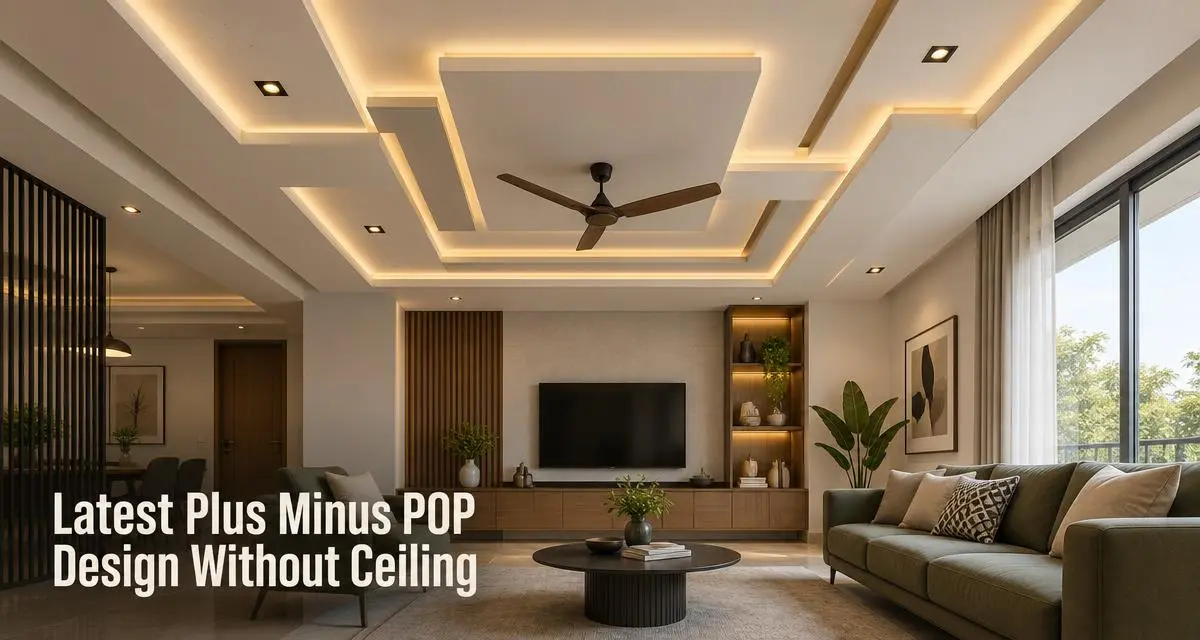
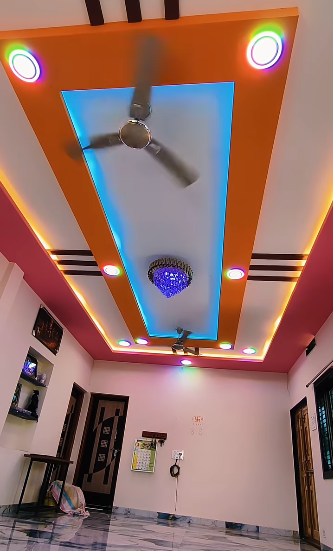
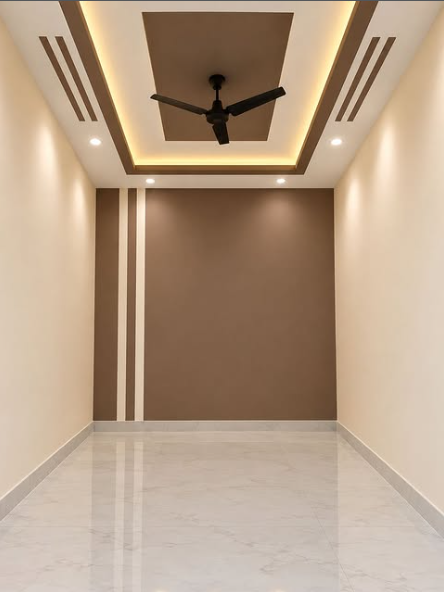
If you want a decorative ceiling look without installing a full false ceiling, latest plus minus POP design without ceiling can be a practical choice. These designs use raised and recessed POP elements to create patterns directly on the existing ceiling.
They can add depth without making a room feel heavily covered. Simple LED strips, spotlights, or concealed lighting can further highlight the pattern. The style works particularly well in bedrooms, living rooms, halls, and compact spaces. With the right shape, color, and lighting, a POP design can become a subtle architectural feature rather than an overwhelming decoration.
Related Subkeywords for This Topic
I recommend targeting these related keywords as separate sections:
- plus minus POP design for bedroom
- plus minus POP design for living room
- simple plus minus POP design
- modern plus minus POP design
- plus minus POP design for hall
- LED plus minus POP design
- minimalist POP design without ceiling
Plus Minus POP Design for Bedroom
A plus minus POP design for the bedroom works well when you want a decorative feature without covering the entire ceiling. Rectangular borders, small geometric panels, and simple central patterns can create visual depth while keeping the room calm.
Warm-white LED strips can be placed inside recessed sections for soft nighttime lighting. White, cream, beige, or muted grey usually keeps the design easy to match with furniture. In smaller bedrooms, avoid very large layered patterns because they can make the ceiling feel visually lower.


Plus Minus POP Design for Living Room
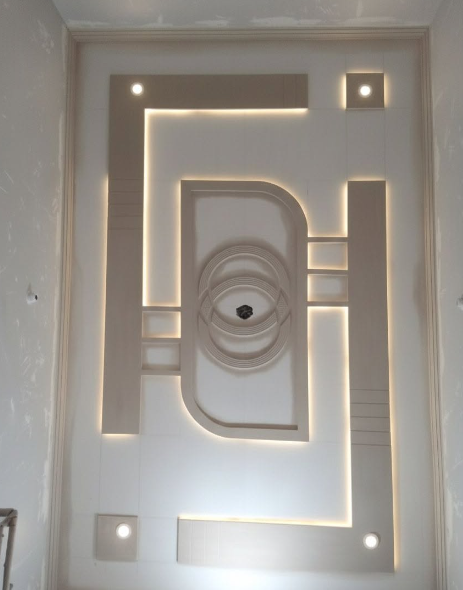
The living room gives you more freedom to use a noticeable plus minus POP design for living room. A large central rectangle, curved frame, or combination of raised and recessed sections can define the seating area. Concealed LED lighting can emphasize the difference between the higher and lower POP levels.
Keep the pattern aligned with the room’s furniture layout so it feels intentional. For a contemporary interior, simple geometric shapes usually work better than several unrelated decorative elements.


Simple Plus Minus POP Design
A simple plus minus POP design is suitable for homeowners who prefer a clean ceiling without excessive decoration. One recessed border with a slightly raised inner section can create enough contrast to make the ceiling interesting.
You can add a few small spotlights instead of installing multiple lighting layers. This approach is also easier to maintain because there are fewer detailed surfaces where dust can collect. It works especially well in compact bedrooms, dining areas, and apartments.

Modern Plus Minus POP Design
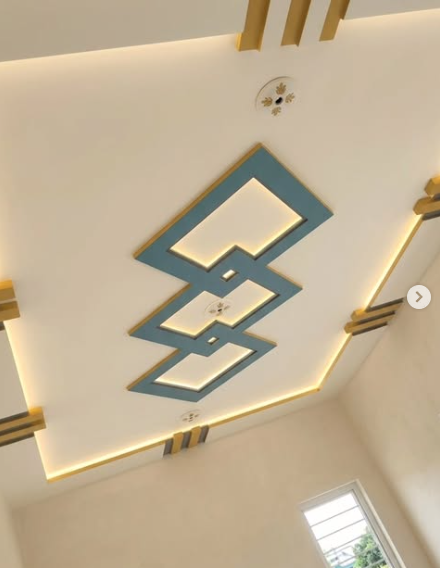
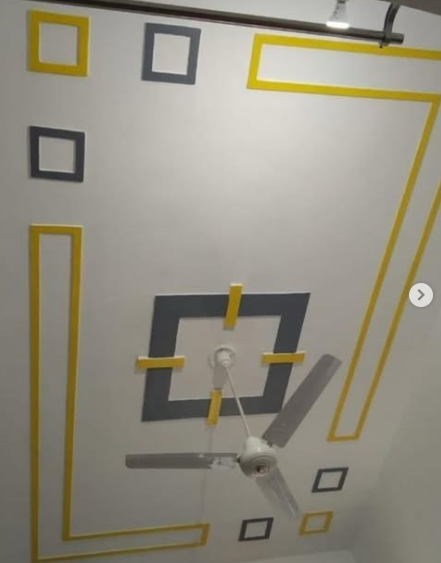
A modern plus minus POP design usually relies on clean lines, balanced proportions, and controlled lighting. Instead of complicated floral patterns, consider rectangles, squares, curves, or asymmetrical geometric shapes.
The raised and recessed areas should have enough contrast to remain visible even when the main lights are switched off. Neutral colors make the structure more noticeable without making the room look busy. Concealed LED strips can add a soft glow around selected edges.


Plus Minus POP Design for Hall
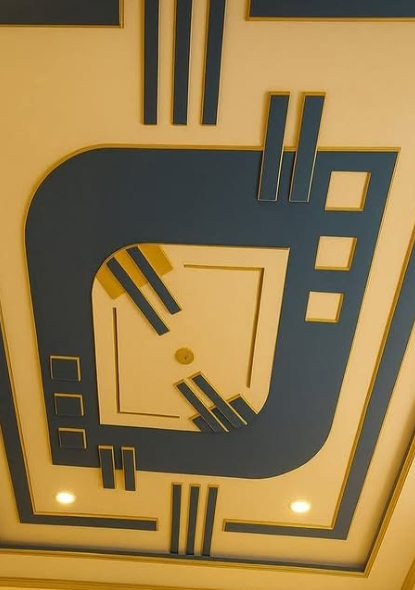
A plus minus POP design for the hall can be used to create a strong focal point above the main seating or entrance area. Long rectangular patterns work well in narrow halls, while square or circular arrangements can suit wider rooms.
Pairing the POP structure with recessed spotlights can create useful general lighting without relying on a large decorative fixture. If the hall already has patterned flooring or detailed furniture, keep the ceiling design restrained. Balance is more important than adding multiple layers.

LED Plus Minus POP Design
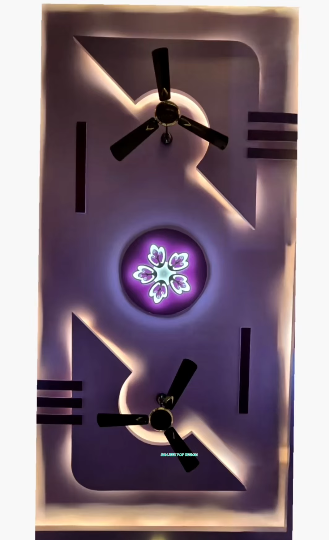
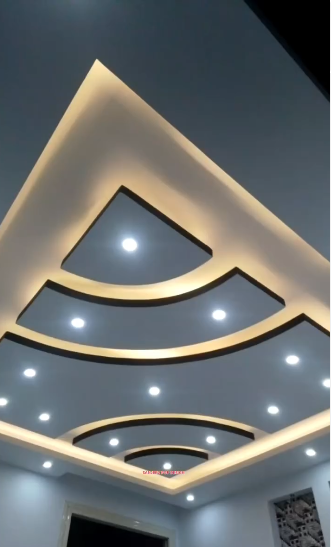
An LED plus minus POP design combines raised and recessed surfaces with strategically positioned lighting. LED strips can be hidden inside narrow grooves to create an indirect glow, while spotlights can provide focused illumination.
Warm light generally creates a relaxed atmosphere in bedrooms and lounges, whereas neutral light can be more practical in work or study areas. Make sure the lighting layout can be serviced later without damaging the POP work. The LED placement should enhance the geometry rather than become the main feature.


Minimalist POP Design Without Ceiling
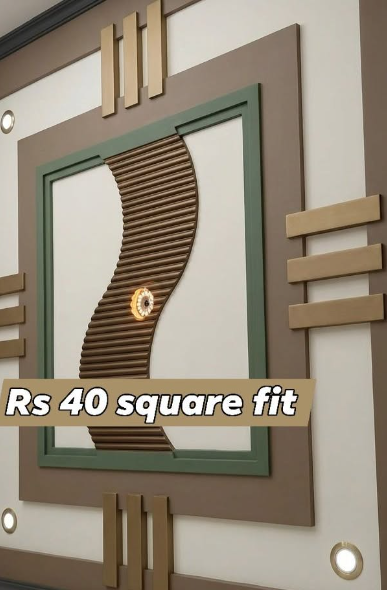
A minimalist POP design without a ceiling focuses on one or two architectural details rather than covering the entire surface. A slim rectangular frame or a simple offset panel can give a plain ceiling a more finished appearance.
This style works particularly well with modern furniture and uncluttered interiors. Keep the number of colors and lighting types low for a consistent look. It is a good option when you want decorative detailing while retaining the original sense of ceiling height.

How to Choose the Right Plus Minus POP Design
The best design depends largely on the room’s size, ceiling height, furniture arrangement, and lighting requirements. Measure the available ceiling area before selecting a pattern, especially for bedrooms and smaller halls.
For a compact room, choose shallow borders and uncomplicated shapes. Larger rooms can accommodate broader frames or more noticeable geometric patterns. Also consider maintenance: designs with many tiny recesses and decorative curves can require more cleaning than simple linear patterns.
Lighting should be planned before the POP installation begins. Decide where spotlights, fans, chandeliers, and LED strips will sit so the final design does not need unnecessary cutting or modification.
Frequently Asked Questions
What is a plus minus POP design without a false ceiling?
A plus minus POP design uses raised and recessed POP patterns directly on the existing ceiling instead of covering the entire ceiling with a suspended structure. It adds depth and decoration while keeping much of the original ceiling visible.
Is plus minus POP design suitable for small rooms?
Yes. Simple borders, shallow geometric patterns, and limited recessed sections work well in small rooms. Avoid heavy multi-layer designs because they can make a low ceiling feel even lower.
Which lighting works best with plus minus POP designs?
Concealed LED strips and recessed spotlights are commonly used with these designs. LED strips can highlight the raised and recessed sections, while spotlights provide focused illumination.
Is POP design without a false ceiling expensive?
The cost depends on the design complexity, area, POP material, labor, painting, and electrical work. A simple border or localized feature is generally less demanding than a full multi-level ceiling treatment.
Can plus minus POP design be used in a bedroom?
Yes. Bedrooms usually benefit from softer designs with warm lighting. Simple rectangular frames, curved patterns, or a small central feature can add visual interest without making the room feel crowded.
How do I choose the right POP design for my room?
Consider the room’s size, ceiling height, furniture arrangement, and existing lighting before choosing a pattern. For smaller spaces, use simple designs with fewer layers; larger rooms can handle broader geometric features.
Does POP require regular maintenance?
POP surfaces mainly need normal dusting and occasional repainting when the finish becomes worn. Designs with many small recesses or detailed patterns may require more careful cleaning.
Can LED lights be installed after the POP work is completed?
It is better to plan the lighting before the POP installation. This allows wiring, LED channels, spotlights, and access points to be positioned correctly and reduces the need for later cutting or repairs.
Final Thoughts
The latest plus minus POP design without ceiling trend is moving toward practical shapes, subtle layering, and integrated lighting rather than overly complicated decoration. A carefully planned POP feature can give an existing ceiling depth while preserving a spacious appearance. The key is to choose a design that matches the room’s proportions instead of selecting a pattern simply because it looks attractive in a large reference image.