
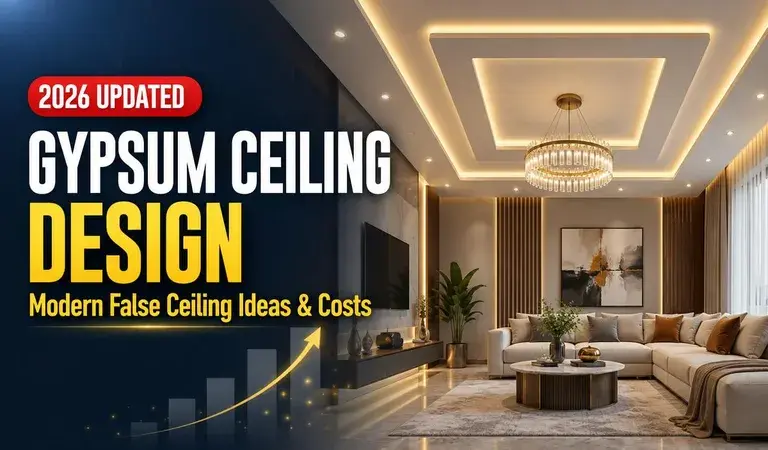
A well-planned gypsum ceiling design can make a room look more organized, comfortable, and visually appealing. False ceilings are commonly used to hide electrical wiring, improve lighting placement, and add depth to interior spaces.
Gypsum is one of the most preferred materials for ceiling work because it is lightweight, easy to shape, and provides a smooth finish. It suits both contemporary and traditional interiors while allowing flexibility in design.
Whether you are renovating a bedroom, living room, or hall, the right ceiling style can enhance the overall atmosphere of the space. Understanding different gypsum ceiling options can help you choose a design that matches your home’s layout and practical needs.
Gypsum False Ceiling Design
A gypsum false ceiling design creates a secondary ceiling layer below the main roof, giving the room a cleaner and more finished appearance. It is often used to conceal electrical cables, air-conditioning ducts, and uneven ceiling surfaces.
This type of ceiling works well with recessed lights, cove lighting, and decorative fixtures. Homeowners can choose from straight-line patterns, layered structures, or curved designs depending on the room style. Light-colored finishes help reflect natural light and make spaces feel larger. Regular dusting and occasional repainting are usually enough to maintain its appearance.

Gypsum Board Ceiling Design
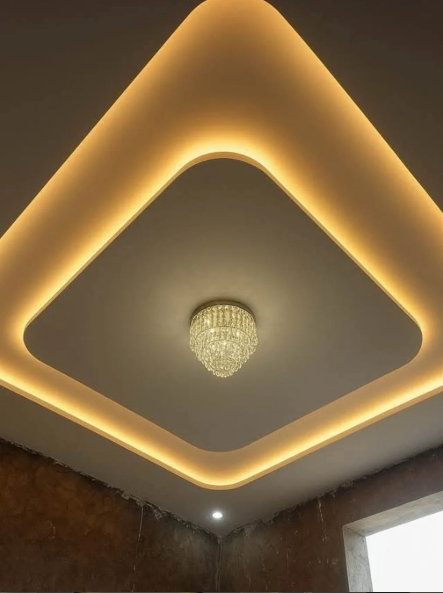
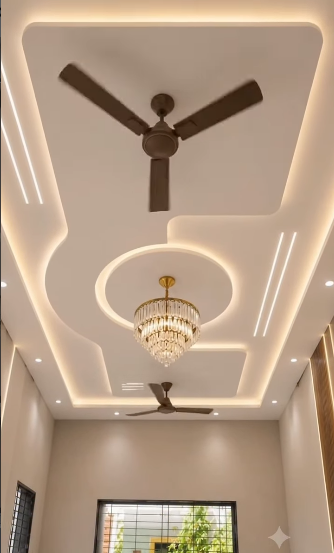
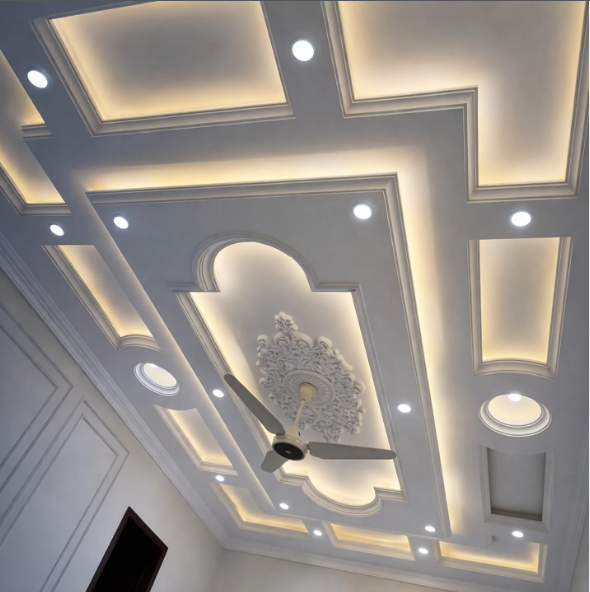
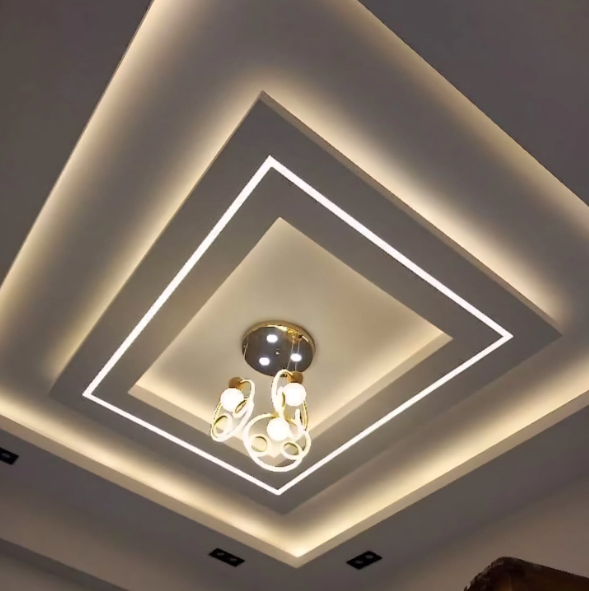
A gypsum board ceiling design uses prefabricated gypsum panels attached to a metal framework. This method allows faster installation and provides a smooth surface suitable for painting or decorative finishes.The boards can be arranged in geometric patterns, stepped layouts, or simple flat designs.
LED strip lights are often integrated into the framework to create soft ambient lighting. Because gypsum boards are lightweight, they place less stress on the building structure. Proper installation also helps reduce visible joints and surface imperfections.


Gypsum Ceiling Design for Bedroom
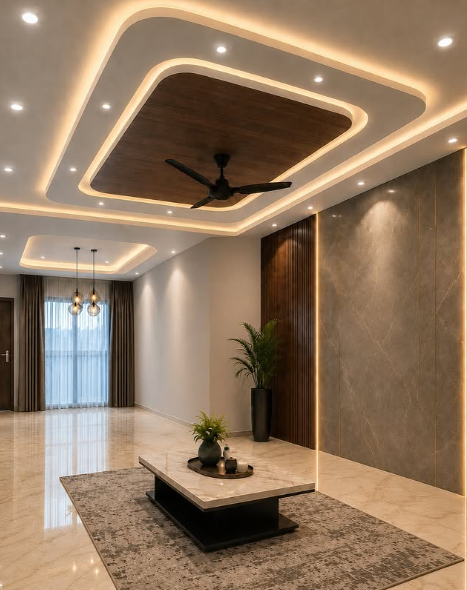
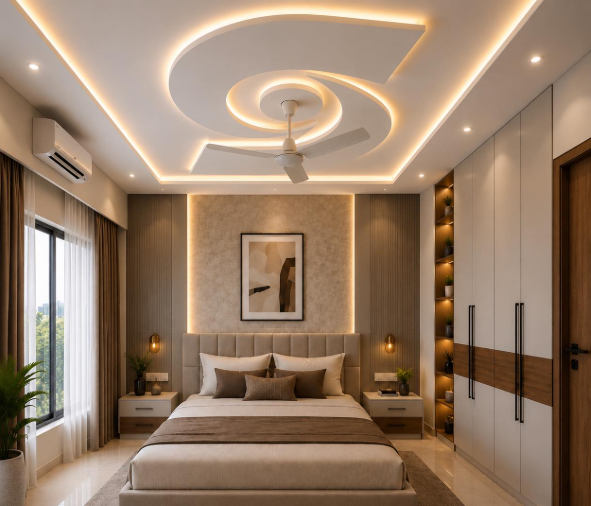
A gypsum ceiling design for the bedroom should focus on comfort and a relaxing atmosphere. Bedrooms benefit from soft lighting and ceiling patterns that do not feel visually overwhelming.Many homeowners choose simple layered borders with concealed LED lights to create a warm glow.
Neutral shades such as white, cream, or light gray help maintain a calm environment. Circular or rectangular ceiling features above the bed can act as a subtle focal point. This type of ceiling design also allows for better placement of fans and lighting fixtures without cluttering the room.

Gypsum Ceiling Designs for Hall
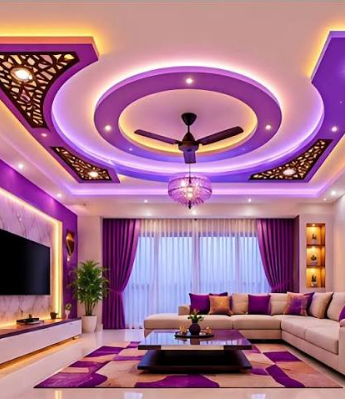
Gypsum ceiling designs for hall spaces often emphasize openness and balanced proportions. Since halls are usually one of the most visible areas in a home, ceiling details can contribute significantly to the overall interior impression.Large halls can accommodate layered ceilings, recessed sections, and decorative lighting arrangements.
In smaller halls, a simple border design with indirect lighting helps maintain a spacious feel. Combining gypsum with wooden accents or textured paint can add character without making the area look crowded. Careful lighting placement ensures that the hall remains bright and welcoming.
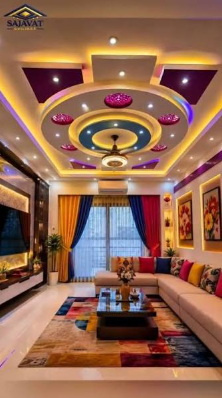
Gypsum Ceiling Designs for Living Room
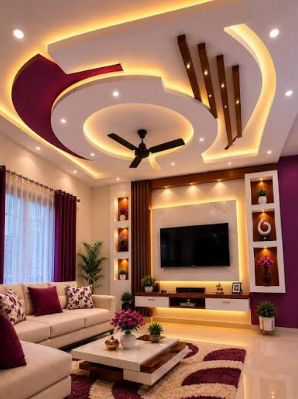
Gypsum ceiling designs for living room interiors are often designed to create a focal point while improving lighting distribution. The living room serves as a gathering space, so the ceiling should complement both furniture and room layout.
Popular choices include tray ceilings, floating panels, and layered geometric shapes. Recessed spotlights can provide functional lighting, while cove lighting adds warmth during evening hours. Ceiling designs should be scaled according to room size to avoid a heavy appearance. Coordinating ceiling colors with wall finishes helps create a more unified interior design.


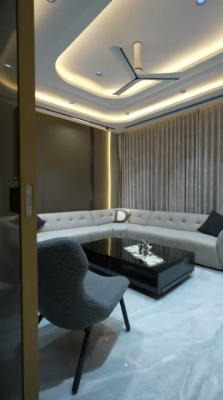
Simple Gypsum Board Ceiling Design
A simple gypsum board ceiling design is ideal for homeowners who prefer clean lines and low-maintenance interiors. This style focuses on functionality rather than elaborate decorative elements.The design often consists of a flat ceiling with a narrow recessed border or concealed lighting strip.
It works particularly well in apartments, study rooms, and guest bedrooms. Simple layouts are generally more affordable to install and easier to maintain over time. Their versatility allows them to blend with a wide range of furniture and color schemes.


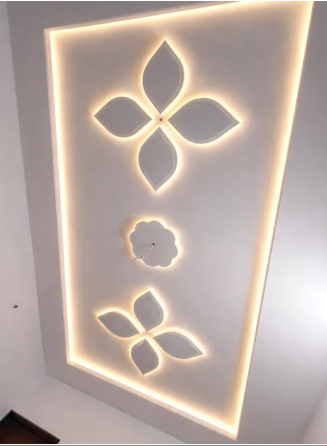
Gypsum Ceiling Flower Designs
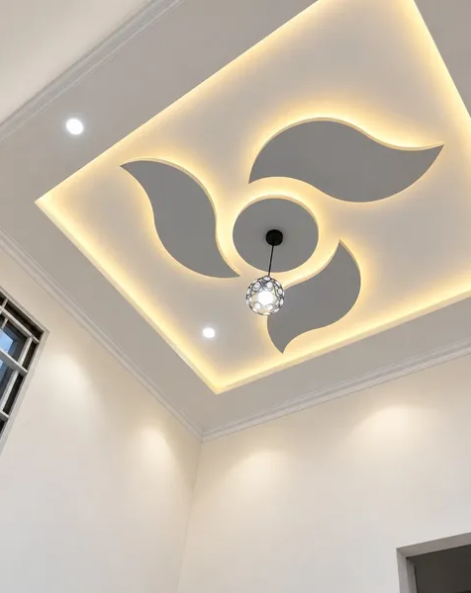
Gypsum ceiling flower designs introduce decorative patterns that draw attention to the center of a room. These designs are often used around chandeliers, pendant lights, or ceiling fans.Floral motifs can range from subtle outlines to more detailed artistic shapes. They are commonly seen in dining rooms, formal living areas, and larger bedrooms where decorative ceilings are desired.
Choosing a design that matches the room’s scale helps maintain visual balance. Soft lighting around the flower pattern can highlight the detailing without overpowering the rest of the interior.

Conclusion
A thoughtfully planned gypsum ceiling design can improve both the appearance and functionality of a room. From simple gypsum board layouts to decorative flower patterns, gypsum offers flexibility for different interior styles and budgets. By selecting a design that suits the room size, lighting requirements, and overall décor, homeowners can create comfortable spaces that remain attractive and practical for years.